Doug Wittnebel
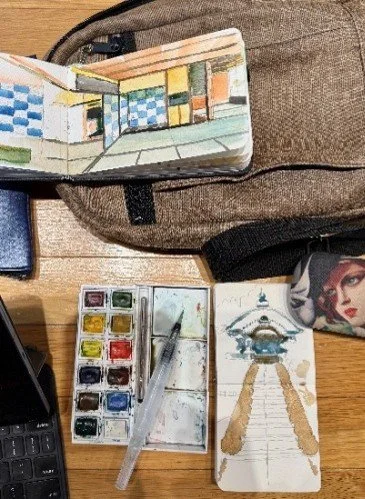
I never seem to travel to arrive. I travel to look and see — and looking, for me, usually means drawing and painting the places I travel. I keep a number of my kits small on purpose: a sketchbook that fits in one hand, a variety of pens, maybe a light wash of color if I have ten extra minutes. Nothing that requires any involved setup The whole discipline depends on working fast, in public, often standing up, and often being watched.
You learn to let go of precision and chase likeness instead — the gesture of a place rather than its blueprint. I draw on the move: in a train seat with the page bouncing, at a counter waiting for tea, on a curb because a rooftop caught the light in a way that would be gone in five minutes. Drawing on airplanes and while waiting in terminals was a favorite of mine.
Spending time in Asia taught me to draw quietly and economically — an aesthetic of restraint that changed how much information I was willing to leave off the page. What I’m really doing, chapter to chapter, city to city, is building a visual notebook of attention — a record not of what a place looked like, but of what I noticed about it, in the order I noticed it. That’s different from photography, and it’s different from writing, though it feeds both. A sketch has a memory embedded in the making of it that a photo doesn’t: how long I stood nor sat there, what the air felt like or the atmosphere or even whether someone stopped to watch.
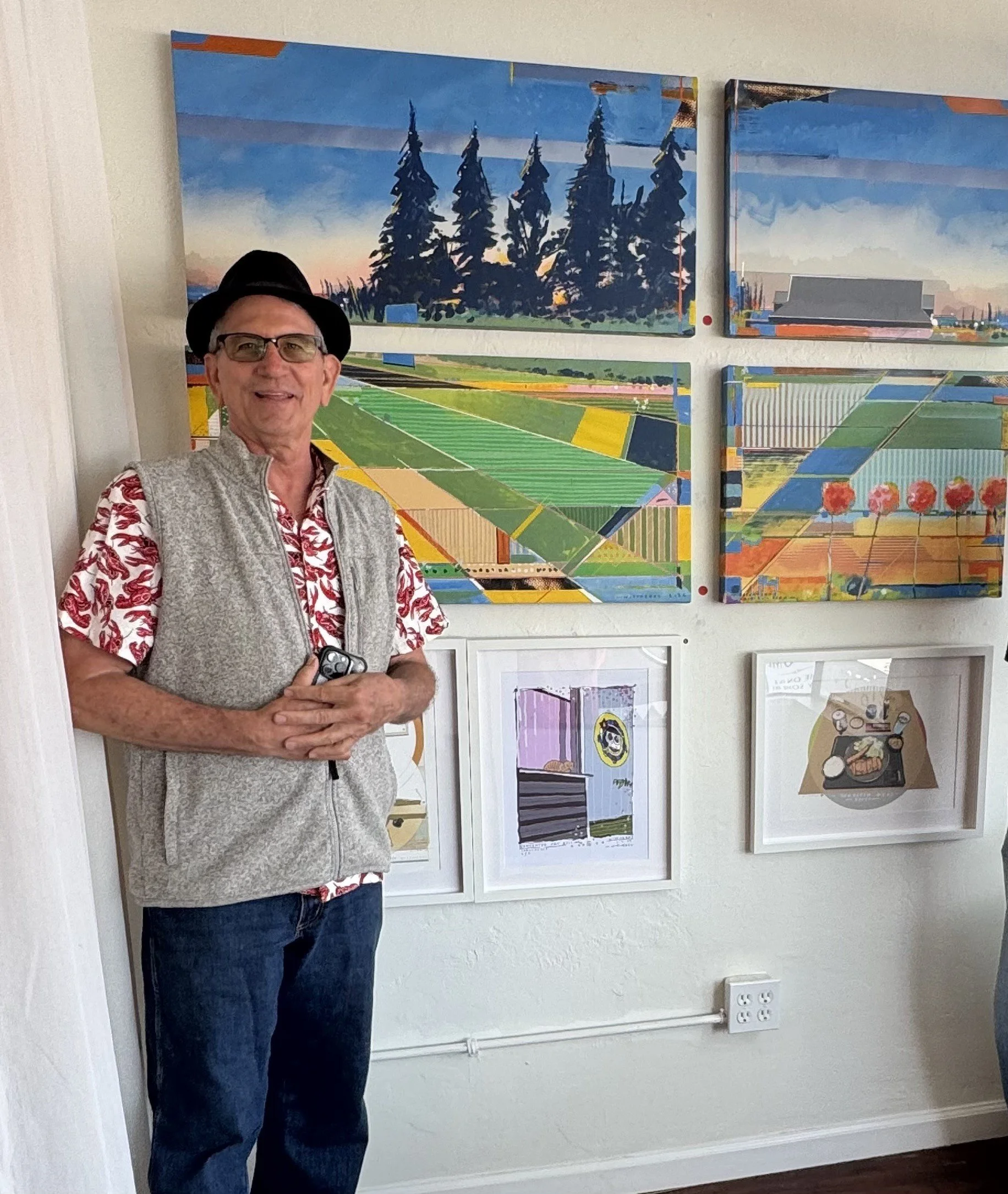
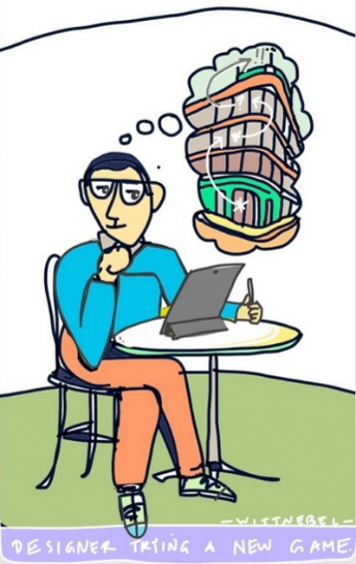
I also love to draw on the iPad, using the various apps that have been developed by artists and engineers. And my recent iPad paintings have now allowed me to print the result and then work on top of the print with an analog touch.
If I’m teaching this to anyone, the lesson is always the same: try to draw fast, draw loose, and even draw in front of people. Speed is what lets the drawing keep up with the trip. But on the other side of the coin — if you have that extra time, use it to look and draw slowly. I think that I still have every sketchbook on a shelf somewhere, and I can open any one of them and be back on that curb, that train seat, that counter waiting for coffee or tea. And that’s the whole argument for drawing over almost anything else. It doesn’t just show you where you went, it reminds you that you were looking and paying attention.